Building a Bridge: An Invitation to Create Access Together
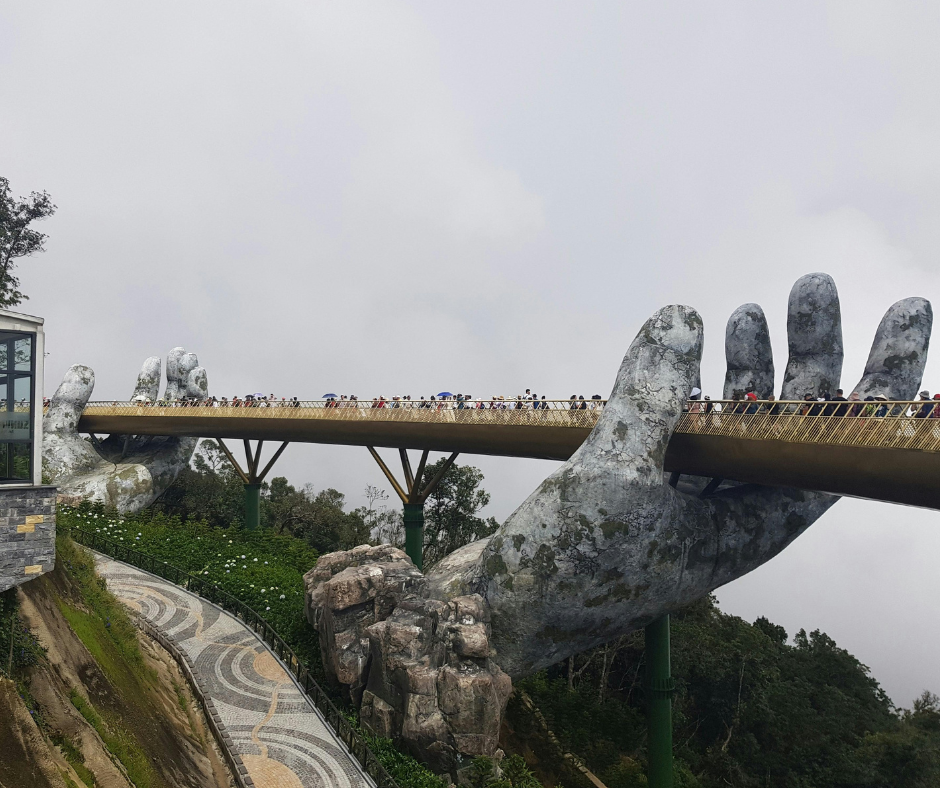
Building a Bridge: An Invitation
Looking at the end of the year numbers, I discovered something that opened my eyes: I have a mixed audience seeking coaching and hypnosis techniques. I want to thank Connie, one of my awesome coaches, for the wonderful workshop that reminded me to look back and see how far I've come. It has been a chaotic and magical year.
When I say "mixed audience," I mean there are two or more distinct groups of people showing up for this work. First, I have a pretty even male-to-female ratio, thank you all for being here. Second, and this is the one that's calling me forward: language. English and sign language.
Next year I'll be celebrating 30 years as a sign language interpreter. I've been a certified hypnotist and Cranial Sacral Therapy specialist since 2008, and became a Master Hypnotist in 2022. For three decades, I've stood at the intersection of language, consciousness, and healing.
But I had a dilemma.
The Gap I've Witnessed
Over the years, I've interpreted for countless therapy appointments for individuals who are Deaf or Hard of Hearing. When the therapist would use hypnosis, the first thing they'd say was: "Close your eyes."
And in that moment, communication would end.
I saw firsthand how individuals who are Deaf and Hard of Hearing have been systematically excluded from accessing these powerful tools. Not because the tools don't work for them, but because the delivery methods weren't designed with them in mind.
This past year at the Hypnosis Conference in Chicago, I presented on the Linguistics of Imagination and how to teach it to do the work for you. There was a special keynote speaker; one of the founders of NeuroLinguistic Programming. At the end of the keynote, they opened the floor for questions.
I thought: This is my chance. My palms were cold and sweaty. My voice was nervous. I asked about deepeners for trance states and resources for people who are Deaf and Hard of Hearing.
My question was made into a joke.
I won't go into details. But I will say this: in that moment, the gap became a canyon.
The Fear, The Prayer, The Process
I took the time my nervous system needed to process what happened. So many of my hypnosis peers reached out with messages of support, expressing their shock at the response. Their kindness mattered.
But as I sat with it - as the weeks passed - something else emerged: fear.
A direction for 2026 had opened up, but with it came resistance. The fear whispered: What if I get it wrong? What if I offend the very community I'm trying to serve? What if I'm not the right person to do this?
So I prayed. I sat in stillness. I did my own integration work, honoring what my body was telling me. I listened - deeply - to what was underneath the fear.
And then I reached out.
I connected with professionals who are Deaf and Hard of Hearing. I asked questions. I listened more than I spoke. I followed people on social media who navigate the world using both spoken language and sign language together. I watched how they present themselves, how they name what they're doing, how they hold space for multiple communities at once.
What I learned changed everything.
The professionals I spoke with didn't shut me down. They opened doors. They shared their experiences with the lack of accessible hypnosis resources. They talked about the need for this bridge - not just for DHH individuals, but for deaf and hearing practitioners who want to serve them well.
They helped me see that this isn't about being perfect. It's about being willing. It's about creating space where none existed before.
What I'm Building
I will be creating content using transliterating - which means I'll be speaking while using ASL signs in English word order. This is not American Sign Language (ASL). ASL has its own beautiful, complete grammar and structure, and I honor that deeply.
Transliterating is a method that allows me to reach multiple audiences simultaneously: hearing practitioners learning to work with DHH clients, DHH individuals who use English-based signing, and families navigating communication across different modalities.
This format will appear in my video podcast and video content. It's a bridge - not a replacement for ASL content created by Deaf practitioners, but a way to begin filling the gap I've witnessed for 30 years.
The Invitation
Here's what I know: I cannot build this bridge alone.
I'm inviting you - all of you - to help me create something that serves everyone.
If you're Deaf or Hard of Hearing: I want to hear from you. What has your experience been with accessing hypnosis, self-hypnosis, or other therapeutic methods? What would truly serve you? What am I missing?
If you're a DHH professional, hypnotherapist, or cultural consultant: I'm asking for your guidance. I want to do this with integrity, and I need your wisdom.
If you're a hearing practitioner who works with DHH clients, or wants to: What resources or training do you need? What questions do you have?
If you're an interpreter, especially one with experience in therapeutic or hypnotic contexts: Your insight is invaluable.
This bridge is for all of us. Hearing. Deaf. Hard of Hearing. Anyone who believes that powerful healing tools should be accessible to everyone.
What's Next
The podcast is evolving. The content is shifting. The bridge is being built in real time, and I'm inviting you to be part of the process.
If this resonates with you, if you've been waiting for someone to create this space, I'm here, and I'm listening.
The bridge is coming. And it's for all of us.
Ready to begin? Watch the visual podcast on our Substack or YouTube Channel and join the conversation. Let's build this together.